
Australian dollars
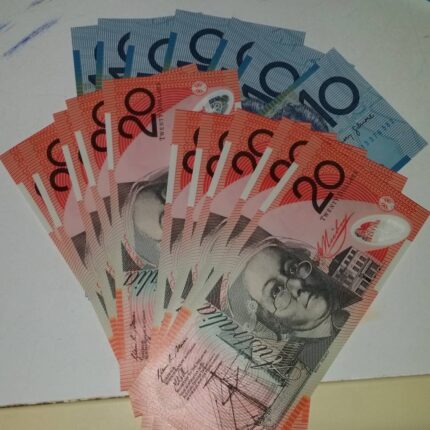
Buy Counterfeit 20 Australian Dollar banknotes
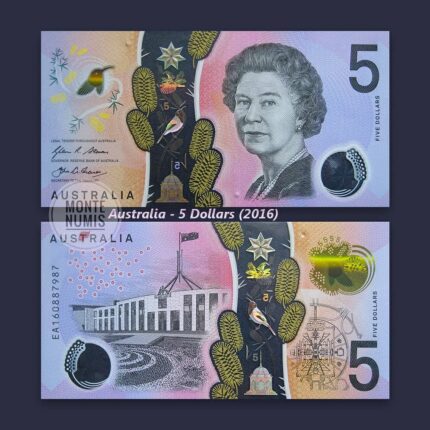
Buy counterfeit 5 Australian dollar bills

Buy Counterfeit 50 Australian Dollar bills

Buy fake 10 Australian Dollar bills
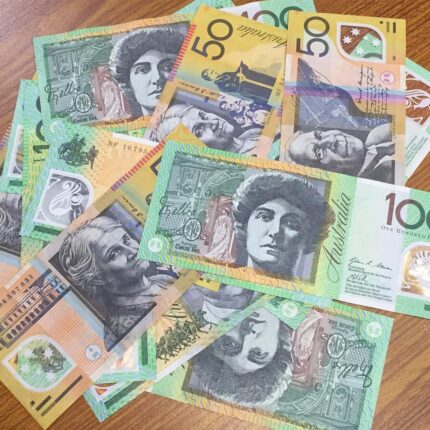
Buy fake Australian Dollar bills online
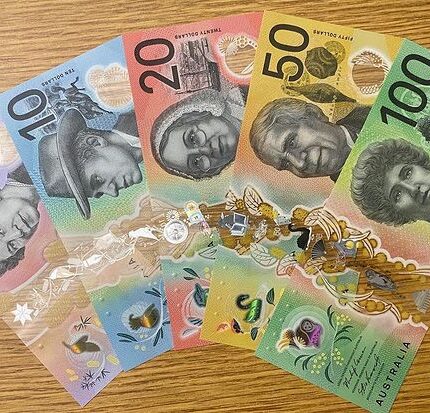
Buy fake Australian Dollar bills online
Buy Fake Australian Dollar (AUD) Online
Australian Dollar (AUD) is the official currency of Australia, as well as several Pacific island nations including Kiribati, Nauru, and Tuvalu. It is symbolized as $ or sometimes A$ to distinguish it from other dollar-denominated currencies. The international currency code is AUD. The Australian Dollar is one of the most traded currencies in the world, largely due to Australia’s strong economic ties to global commodity markets and its political stability.
Denominations of the Australian Dollar:
The Australian Dollar is available in both coins and banknotes.
Coins:
- 5 cents
- 10 cents
- 20 cents
- 50 cents
- 1 Dollar (AUD)
- 2 Dollars (AUD)
Banknotes:
- $5
- $10
- $20
- $50
- $100
Australian Banknotes:
Australia was the first country to introduce polymer banknotes (plastic notes), beginning in 1988. These banknotes are durable, secure, and resistant to damage like tearing or getting wet. The banknotes in circulation are from the Next Generation Banknote series, released progressively from 2016 to 2020.

The polymer technology also helps incorporate advanced security features that make counterfeiting difficult.
Design:
The design of Australian banknotes reflects the country’s rich history, cultural diversity, and achievements. Each denomination features notable Australian figures, both men and women, as well as illustrations of Australian fauna, art, and architecture.
Security Features:
The Next Generation Banknote series has advanced security features to prevent counterfeiting:
- Clear Polymer Window: Each note has a transparent window containing intricate designs. This window is difficult to replicate and is a key security feature of Australian banknotes.
- 3D Image: A 3D image visible in the clear window changes as the note is tilted.
- Reversing Number: The value of the note appears in the clear window, flipping from left to right when the note is rotated.
- Color-Shifting Ink: Parts of the note’s design, including the numeral, change color when viewed from different angles.
- Microprinting: Tiny, detailed text that can only be read under magnification.
- UV Features: Under ultraviolet (UV) light, specific elements of the note, such as certain images and patterns, glow.
- Tactile Features: Raised printing allows for easy identification, especially for visually impaired users, and tactile dots appear on certain denominations (such as the $5 and $50 notes).
Individual Denomination Designs:
Each banknote in the Australian Dollar series highlights important individuals and aspects of Australian life:
- $5 Banknote:
- Front: Features a portrait of Queen Elizabeth II and an image of the Parliament House in Canberra.
- Back: Depicts eucalyptus plants, with advanced security features integrated into the design.
- $10 Banknote:
- Front: Features portraits of Dame Mary Gilmore (author and poet) and Banjo Paterson (poet and journalist, famous for "Waltzing Matilda").
- Back: Depicts scenes from the lives of these two literary figures and images of Australian native species.
- $20 Banknote:
- Front: Features Mary Reibey, a pioneering businesswoman, and Reverend John Flynn, who founded the Royal Flying Doctor Service.
- Back: Highlights the Flying Doctor Service, which provides healthcare to rural Australians, and images related to Mary Reibey’s life.
- $50 Banknote:
- Front: Features David Unaipon, an Aboriginal writer and inventor, and Edith Cowan, the first Australian woman to serve as a member of parliament.
- Back: Includes images related to David Unaipon’s inventions and Edith Cowan’s work in promoting social justice and education.
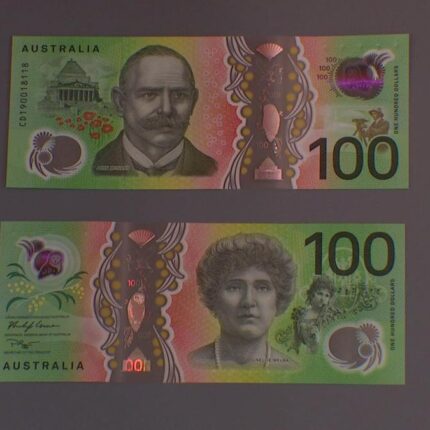
- $100 Banknote:
- Front: Features Sir John Monash, a civil engineer and military commander, and Dame Nellie Melba, a famous Australian opera singer.
- Back: Highlights their achievements and legacies, with additional design elements that reflect their respective fields.
Australian Coins:
Australian coins have a more traditional design, featuring notable Australian animals and symbols.
- The 5, 10, 20, and 50-cent coins typically feature an image of the Queen on the obverse (front) and native Australian fauna on the reverse (back), such as the Echidna, Lyrebird, Platypus, and Kangaroo/Emu coat of arms.
- The $1 and $2 coins depict more iconic images, such as kangaroos on the $1 coin and an elderly Aboriginal man on the $2 coin.
Exchange Rate and Global Role:
The Australian Dollar is one of the world’s most widely traded currencies, often grouped with other “commodity currencies” due to Australia’s significant export of natural resources like iron ore, coal, and gold. The AUD is influenced by global commodity prices, trade with China (Australia’s largest trading partner), and broader economic trends.
Interesting Facts About the Australian Dollar:
- Polymer Pioneer: Australia was the first country to introduce polymer banknotes, which are now used in many other countries around the world.
- Vivid Colors: Australian banknotes are known for their bright colors and eye-catching designs.
- Durability: Polymer notes are more durable than paper notes and can last up to four times longer.
- Environmental Impact: Although polymer banknotes are made from plastic, they are recyclable, and Australia has processes in place to recycle old or damaged notes into other products.
Conclusion:
The Australian Dollar (AUD) is a stable, widely traded currency known for its modern, secure banknote design and polymer durability. It reflects Australia’s heritage and innovation, with high-tech security features that make it one of the most trusted currencies in global financial markets. The notes and coins also celebrate key figures in Australian history, literature, and culture, adding a distinct national identity to the currency.