
Euro bills

Buy best Quality Undetectable Counterfeit 500 Euros
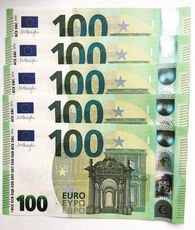
Buy counterfeit 100 euro bills
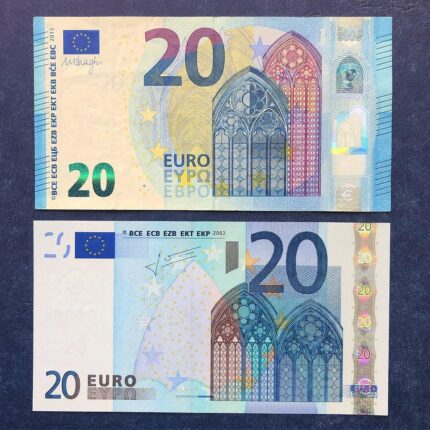
Buy Counterfeit 20 euro bills

Buy counterfeit 5 euros bills

Buy counterfeit 50 euro bills online
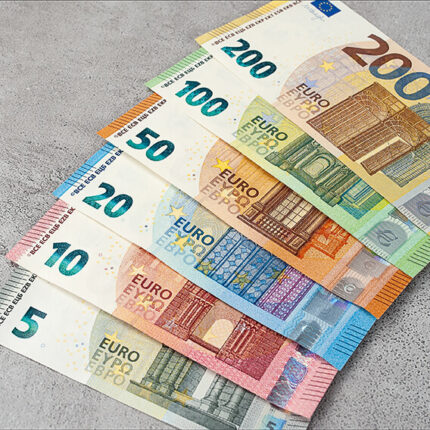
Buy fake Euro Bills

Order Counterfeit 200 euro bills online
Euro bills (also known as Euro banknotes) are the official paper currency of the Eurozone, a group of 20 European Union (EU) member countries that have adopted the euro (€) as their official currency. These banknotes come in various denominations and are used for everyday transactions across the Eurozone. Euro banknotes are issued by the European Central Bank (ECB) and the national central banks of the Eurozone countries.
Denominations of Euro Bills
Euro bills are available in seven denominations:
- €5
- €10
- €20
- €50
- €100
- €200
- €500 (Although still legal tender, the ECB stopped issuing new €500 notes in 2019 to combat money laundering and criminal activity.)
Design and Features
Each euro bill has a distinct color and size, with larger denominations being physically larger. The design of the euro banknotes incorporates architectural styles from different periods in European history:
- €5: Classical
- €10: Romanesque
- €20: Gothic
- €50: Renaissance
- €100: Baroque and Rococo
- €200: 19th-century iron and glass architecture
- €500: Modern 20th-century architecture (no longer issued)
The front of each note shows windows and gateways, symbolizing openness and cooperation, while the reverse depicts bridges, representing communication between the people of Europe and the rest of the world.
Security Features
To prevent counterfeiting, euro bills are equipped with several advanced security features, including:
- Watermarks
- Holograms
- Security threads
- Microprinting
- Color-changing ink
- Raised printing
- UV-light elements that reveal hidden patterns
Circulation and Use
Euro bills are legal tender in the 20 countries that have adopted the euro. These countries include:
- Germany, France, Italy, Spain, Netherlands, Ireland, and others.
Additionally, some non-EU countries like Andorra, Kosovo, Monaco, and San Marino also use the euro.
Conclusion
Euro bills are a secure, widely accepted currency across the Eurozone, characterized by their design representing European history, cooperation, and technological security features. They facilitate seamless travel and trade within Europe and beyond, symbolizing unity across the continent.