
Drivers License
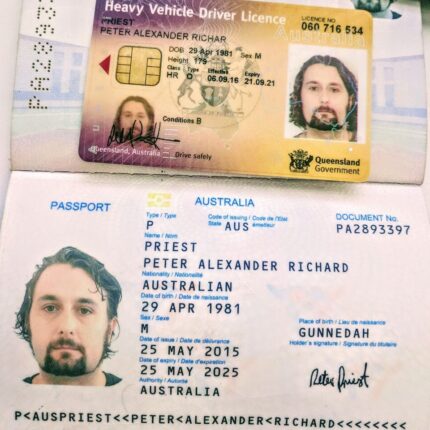
Australian Drivers License
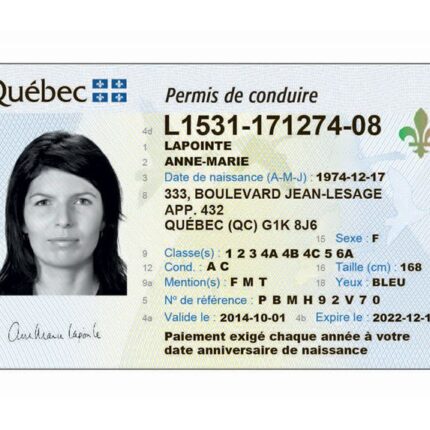
Buy Canadian Drivers License

Buy fake Belgian Drivers licence


Buy Fake Drivers License Online USA

Buy Fake Swiss Drivers License Führerausweis
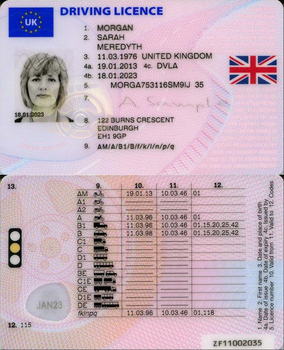
Buy fake UK Drivers Licence online
Buy real and fake Texas driver’s licenses

Buy real or fake Pennsylvania driver’s license

Buy Registered French Drivers licence
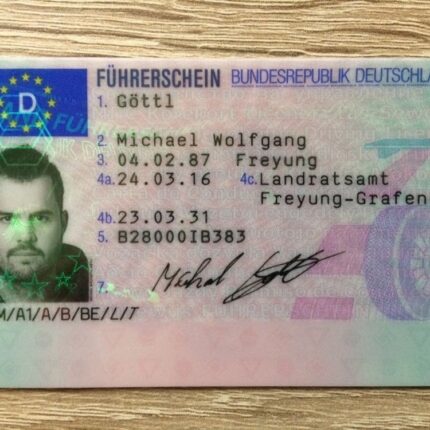
Cheap Germany Driver’s License Führerschein

Fake Italian Drivers License Patente di Guida
Drivers license test is a comprehensive examination designed to evaluate an individual's knowledge of traffic laws, road signs, and driving skills. Passing this test is a requirement for obtaining a driver's license, which permits a person to legally operate a vehicle on public roads. The test typically consists of two main components:
- Written (or Theory) Test: Assesses the applicant's understanding of traffic rules, road signs, and safe driving practices.
- Practical (or Road) Test: Evaluates the applicant's ability to drive a vehicle in real-world conditions while adhering to traffic regulations and demonstrating safe driving techniques.
Components of a Drivers License Test
The structure of a driver's license test may vary depending on the country or state, but it generally includes the following:
1. Written (Theory) Test
- This portion tests the applicant’s knowledge of:
- Traffic laws (e.g., speed limits, right-of-way rules).
- Road signs and signals (e.g., stop signs, yield signs, traffic lights).
- Safe driving practices (e.g., seatbelt use, avoiding distractions).
- Road markings (e.g., lane dividers, crosswalks).
- Hazard awareness and defensive driving principles.
- The test format usually includes multiple-choice questions and may be taken on paper or electronically.
2. Practical (Road) Test
- The practical test assesses how well an applicant can operate a vehicle under the supervision of a licensed examiner.
- It typically involves:
- Basic maneuvers: Starting, stopping, turning, and reversing.
- Vehicle control: Using indicators, checking mirrors, and maintaining lane discipline.
- Parking: Parallel parking, angle parking, or performing a three-point turn.
- Navigating different road types: Driving on residential streets, highways, and intersections.
- Handling complex situations: Dealing with pedestrians, roundabouts, merging lanes, and more.
- The examiner scores the applicant based on their performance, adherence to traffic rules, and ability to drive safely and confidently.
Steps to Take a Drivers License Test
- Study for the Test:
- Review the driver’s manual or handbook provided by the local Department of Motor Vehicles (DMV) or relevant licensing authority.
- Take practice tests to prepare for the written exam.
- Schedule the Test:
- Many licensing authorities require applicants to schedule their test appointments in advance. This can often be done online or by visiting the licensing office.
- Pass the Written Test:
- Take the theory test first. If you pass, you typically receive a learner’s permit (if this is your first time getting a license), which allows you to practice driving under certain restrictions.
- Practice Driving:
- If applicable, log a certain number of hours of supervised driving practice, as required by local regulations.
- Take the Practical Test:
- Once you feel confident in your driving skills and have completed any required practice hours, take the road test with a licensed examiner.
- Receive Your License:
- If you pass both the theory and practical tests, you will receive your drivers license, either on the same day or via mail.
Requirements for the Test
The specific requirements vary by location but usually include:
- Minimum age (e.g., 16 in most US states).
- Identity and residency proof (passport, birth certificate, utility bills).
- Completion of a driver’s education course (often required for younger applicants).
- Learner’s permit (in many regions, a learner’s permit is required before taking the practical test).
Tips for Passing the Drivers License Test
- Study the Driver’s Handbook: Familiarize yourself with all the rules, road signs, and signals.
- Take Practice Tests: Use online resources or apps to simulate the written test.
- Get Plenty of Driving Practice: Practice various driving scenarios, including parallel parking, merging onto highways, and navigating intersections.
- Follow the Examiner’s Instructions: Listen carefully, stay calm, and be confident during the practical test.
- Avoid Common Mistakes: Common errors include not checking mirrors, improper signaling, and failing to yield. Focus on safe and smooth driving.
International Variations
The process, format, and difficulty of the driver’s license test can differ significantly across countries and even between regions within a country. Some notable differences include:
- United States: The requirements vary by state, but most involve a written test followed by a practical test.
- United Kingdom: Includes a theory test with hazard perception and a driving test on various road conditions.
- Germany: Has a more rigorous testing process, requiring a comprehensive written exam and a longer practical test.
- Australia: The process usually starts with a theory test for a learner's permit, followed by a practical test for a provisional license.
Overall, the driver's license test is a crucial step in obtaining the legal right to drive and emphasizes both knowledge and practical skills needed to ensure safety on the road.