



Buy Canadian Driver’s License Online
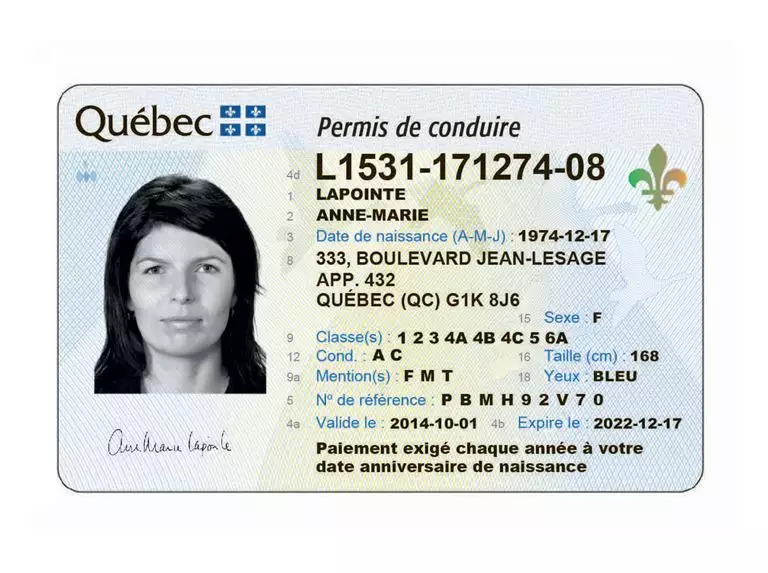
Canadian drivers license is an official document issued by a provincial or territorial government in Canada that permits an individual to operate motor vehicles on public roads. Since Canada is a federation, each province or territory administers its own driver’s licensing system, so the requirements and procedures can vary slightly depending on where you are in the country. However, all driver’s licenses are standardized in terms of the information they contain and are widely accepted as official identification across Canada. Canadian drivers License
Key Features of a Canadian Drivers License:
1. Provincial and Territorial Issuance:
Each province and territory issues its own driver’s licenses, and the licensing authority differs:
- Ontario: Ministry of Transportation (MTO)
- British Columbia: Insurance Corporation of British Columbia (ICBC)
- Quebec: Société de l’assurance automobile du Québec (SAAQ)
- Alberta: Alberta Transportation, etc.
The design of the license may vary between provinces, but all licenses in Canada contain essential information such as:
- Name, address, and date of birth.
- Driver’s license number.
- Expiry date.
- Photo of the driver.
- Class of the license, indicating the types of vehicles the driver is permitted to operate.
2. License Classes:
Driver’s licenses are categorized by class, which determines the type of vehicle you are permitted to drive. Although there are some variations between provinces, the general classifications are as follows:
- Class 5 (Standard Car License): The most common license, which allows drivers to operate cars, SUVs, and small trucks.
- Class 1/2/3: Licenses for commercial truck drivers, with Class 1 allowing operation of large tractor-trailers.
- Class 4: For taxi drivers, small buses, and ambulances.
- Class 6: For motorcycles.
- Class 7: Learner’s permit or graduated licensing stage (discussed below).
3. Graduated Licensing System (GLS):
Most Canadian provinces and territories use a Graduated Licensing System (GLS) to ensure new drivers gain experience before obtaining a full license. The process typically involves:
- Learner’s Permit (Class 7 or G1 in Ontario):
- Minimum age is usually 16.
- Requires passing a written knowledge test and a vision test.
- Allows driving under restrictions, such as having an experienced driver accompany you, and no alcohol consumption.
- Intermediate License (Class 5-I or G2 in Ontario):
- After holding a learner’s permit for a designated period (typically 12 months), you can take a road test to receive an intermediate license.
- Restrictions are loosened, but there are still limits (e.g., no alcohol, limited number of passengers).
- Full License (Class 5 or G in Ontario):
- After completing the intermediate stage and passing another road test, drivers can receive a full license with no restrictions.
- For some provinces, this is typically after another 12 months (or more depending on the region’s rules).
4. License Renewal:
- Most Canadian driver’s licenses are valid for 5 years, though this can vary by province.
- To renew, drivers may need to submit updated documentation, undergo a vision test, and pay a fee.
- Seniors (typically those over the age of 75) may need to complete additional tests, such as a medical exam or a driving test, to maintain their license.
5. Reciprocity for Foreign Licenses:
Canada has reciprocal agreements with several countries (e.g., the United States, the United Kingdom, France, etc.), allowing drivers from these countries to exchange their foreign licenses for a Canadian one without additional testing. New residents from other countries may need to complete written tests, vision tests, and road tests to obtain a Canadian license.
6. New Residents:
New immigrants or temporary residents can usually drive in Canada with their foreign driver’s license for a limited time (typically up to 90 days), after which they must obtain a Canadian license.
7. License for Identification:
In Canada, a drivers license also serves as a primary form of identification. It includes personal information such as your name, address, date of birth, and photograph, making it a widely accepted form of ID for various services, including opening bank accounts or buying age-restricted products.
Penalties and Points System:
Most provinces and territories in Canada use a demerit points system to track driving offenses. Common infractions include speeding, impaired driving, and failure to obey traffic signs. Accumulating too many points can lead to:
- Fines.
- License suspension.
- Mandatory driving courses to reduce points.
How to Get a Canadian drivers License:
- Eligibility: You must meet the minimum age requirement (usually 16 years old) and be a resident of the province or territory.
- Learner’s Permit: Pass a written knowledge test and vision test.
- Driver Training: Complete a driver’s education program (optional but recommended in some provinces).
- Road Tests: Pass one or more driving tests.
- Full License: After completing the graduated licensing process, you receive a full, unrestricted license.
Advantages of a Canadian drivers License
A Canadian drivers License offers several advantages beyond simply allowing you to legally drive. Since it is an important official document, it provides various practical benefits related to transportation, identification, and convenience. Canadian drivers License
Key Advantages of a Canadian Driver’s License:
1. Legal Right to Drive:
- The most obvious advantage of having a Canadian drivers License is the legal authority to drive different types of vehicles (depending on the class of the license) on Canadian roads. It’s necessary for driving cars, motorcycles, trucks, and other vehicles.
2. Primary Form of Identification:
- A Canadian driver’s license serves as a widely accepted form of official identification. It includes essential personal information such as your name, address, date of birth, and a photograph.
- It can be used to verify your identity for various purposes, such as:
- Opening a bank account.
- Boarding domestic flights.
- Purchasing age-restricted items like alcohol or tobacco.
- Renting a car or booking accommodations.
- Its portability and official recognition make it a practical form of ID for everyday use.
3. International Recognition:
- A Canadian drivers License is recognized internationally in many countries, especially in those with reciprocal agreements. This means you can exchange your Canadian license for a foreign one without additional testing in certain countries (e.g., the U.S., U.K., Australia, and some European nations).
- In countries without reciprocal agreements, a Canadian driver’s license can often be supplemented with an International Driving Permit (IDP), allowing you to drive legally while traveling abroad.
4. Freedom and Independence:
- Having a driver’s license grants you greater mobility and freedom to travel, both within your local area and across Canada. You are no longer dependent on public transportation schedules or ride-sharing services, giving you the flexibility to travel at your convenience.
- In rural or remote areas where public transport options are limited, having a driver’s license is particularly useful for accessing essential services like grocery stores, medical appointments, and work. Canadian drivers License
5. Job Opportunities:
- Many jobs in Canada require or prefer candidates who have a valid driver’s license. This is particularly true in sectors like:
- Delivery and logistics (e.g., truck drivers, couriers).
- Sales and service roles that involve travel.
- Construction and trades that require commuting to different job sites.
- Emergency services (e.g., ambulance drivers).
- A driver’s license can be a key asset when applying for jobs that involve travel or fieldwork, or even for simply commuting to work.
6. Insurance Benefits:
- Having a driver’s license, especially a clean driving record, may qualify you for lower car insurance rates. Many insurance companies in Canada offer discounts to drivers who maintain a safe driving history with no accidents or traffic violations.
- The length of time you’ve held your license and your experience as a driver can also contribute to better insurance premiums over time.
7. Essential for Renting a Car:
- A Canadian drivers License is typically required when renting a car, both domestically and internationally. It gives you the freedom to rent vehicles when traveling for leisure or business.
- Even in places with reliable public transport, having the ability to rent a car offers additional flexibility for longer trips or remote destinations. Canadian drivers License
8. Emergency Situations:
- In emergencies, having a driver’s license allows you to take control of a vehicle when necessary. For example, you may need to drive someone to the hospital or respond to an urgent situation when no other transportation options are available. Canadian drivers License
9. Convenience for Road Trips:
- Canada is known for its vast and scenic landscapes, and having a driver’s license allows you to enjoy road trips and explore the country’s natural beauty, from the Rocky Mountains to coastal regions. Without a license, you would be limited to organized tours or public transport options, which can be less flexible and more expensive. Canadian drivers License
10. Access to Other Services:
- In some cases, a driver’s license is required for specific services beyond driving, such as obtaining hunting or fishing licenses, registering for certain government programs, or even applying for a credit card or loan. It is one of the most trusted forms of identification used in Canada.
Summary:
A Canadian drivers license is an official document issued by provincial or territorial authorities that allows individuals to legally operate various types of vehicles. It is obtained through a graduated licensing system that includes written and road tests. Canadian drivers License
Canadian driver’s licenses are also widely used as identification and come with a points system that tracks driving offenses. Each province has slightly different rules and classifications, but the general framework remains consistent across the country.
In Canada, drivers licences are issued by the government of the province or territory in which the driver is residing. Thus, specific regulations relating to drivers license vary province to province, though overall they are quite similar. Canadian drivers License
All provinces have provisions allowing non-residents to use licences issued by other provinces and territories, out-of-country licences, and International Driving Permits. Canadian drivers License
Many provinces also allow non-residents to use regular licences issued by other nations and countries. Canadian drivers licences are also valid in many other countries due to various international agreements and treaties. Canadian drivers License

Riwekem –
🔥🔥🔥🔥🔥